
This policy and programming brief is designed to draw from the multi-dimensional poverty analysis (MDPA) research findings a set of actionable points for programming and for policy dialogue.
This brief highlights the delicate state of Kenyan democracy and the challenges for stronger representation of the interests of poor people, and the need to keep supporting Kenyan CSOs; but also identifies the trend towards devolution and equitable revenue allocation to the counties as a promising policy arena as well as for CSO engagement with government.
Download the policy brief here
Author: Andrew Shepherd

This policy and programming brief is designed to draw from the multi-dimensional poverty analysis (MDPA) research findings a set of actionable points for programming and for policy dialogue.
The present report seeks to analyze development trends in Kenya and understand the ways in which various groups in the country continue to be left behind.

The brief presents findings around health shocks and health as a resilience capacity from a series of 11 country studies on drivers of poverty dynamics in both Africa and Asia.
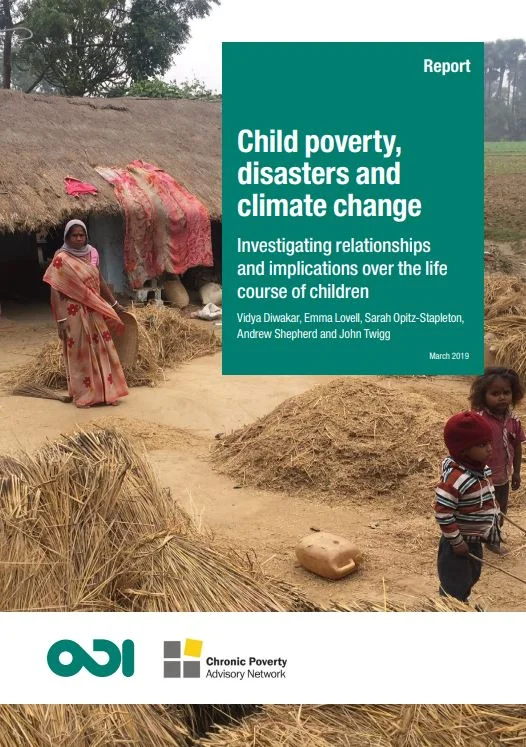
This study examines the relationship between natural hazard-related disasters and child and adolescent poverty in India and Kenya. It explores these connections through a lifecycle approach focusing on the incidence of child poverty and longer-term poverty dynamics and wellbeing.

The focus of this brief is on what those findings may mean for interventions and approaches in Kenya that aim to enable poor households to escape poverty and remain out of it.
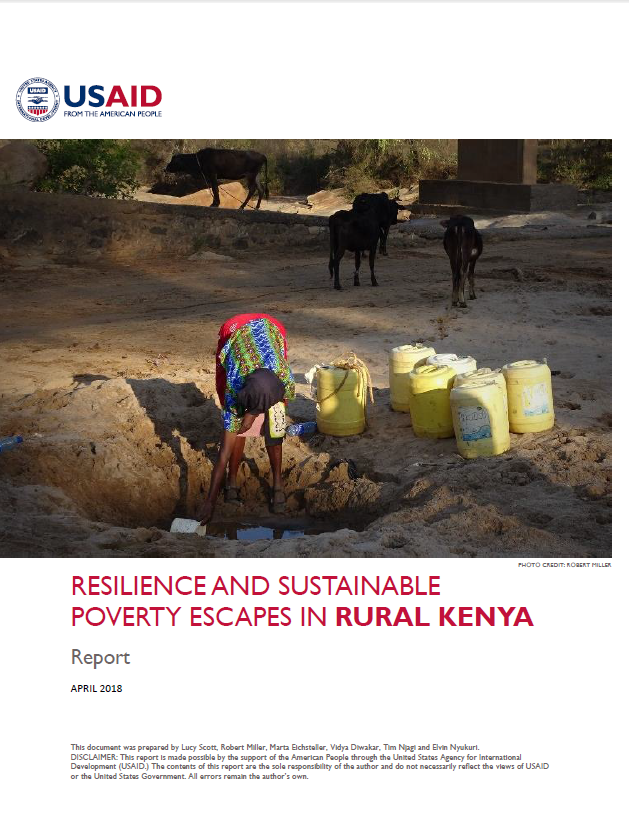
The report investigates the resources (land, livestock, and assets), attributes (household composition and education level), and activities (including jobs and engagement in non-farm activities) of households that enable them to escape poverty sustainably and minimise the likelihood of returning to living in poverty again
This report and the policy brief were financed by the Swedish International Development Cooperation Agency (Sida). The report and the policy brief present the views of the authors, which are not necessarily those of Sida or the Embassy of Sweden in Nairobi