We frequently post blogs on issues of importance to chronic poverty, written both by the CPAN team and a range of external contributors. If you would like to contribute a blog to our website, please contact us.




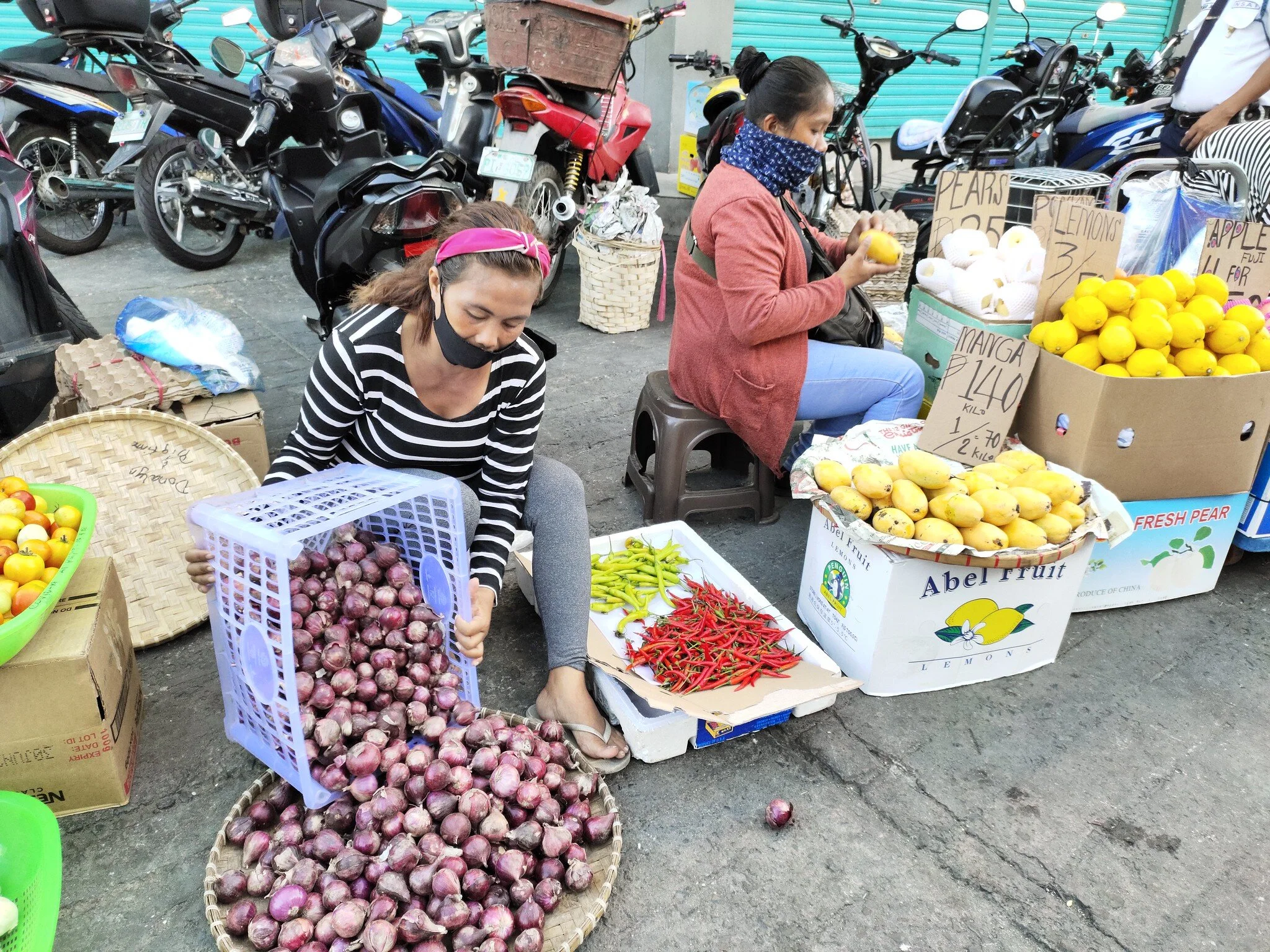
Our latest research is the first of three bulletins investigating the negative social and economic impacts of the pandemic in the Philippines, Zambia, Malawi and Ethiopia.

Covid-19 is hitting the poorest people the hardest - upcoming research interviews people behind the statistics.

New research suggests that people in low-income countries will be at the back of the line for vaccines. Yet, economic and social disruptions from the disease have had devastating impacts on those living in poverty. Delaying vaccine access in low-income countries would be a moral outrage.


This blog takes an in-depth look at various health effects and responses to Covid-19 and lessons learned from elsewhere, including from other pandemics such as HIV.

This blog sheds light on the impact of upward and downward income mobility on the structural poverty dynamics in South Africa.
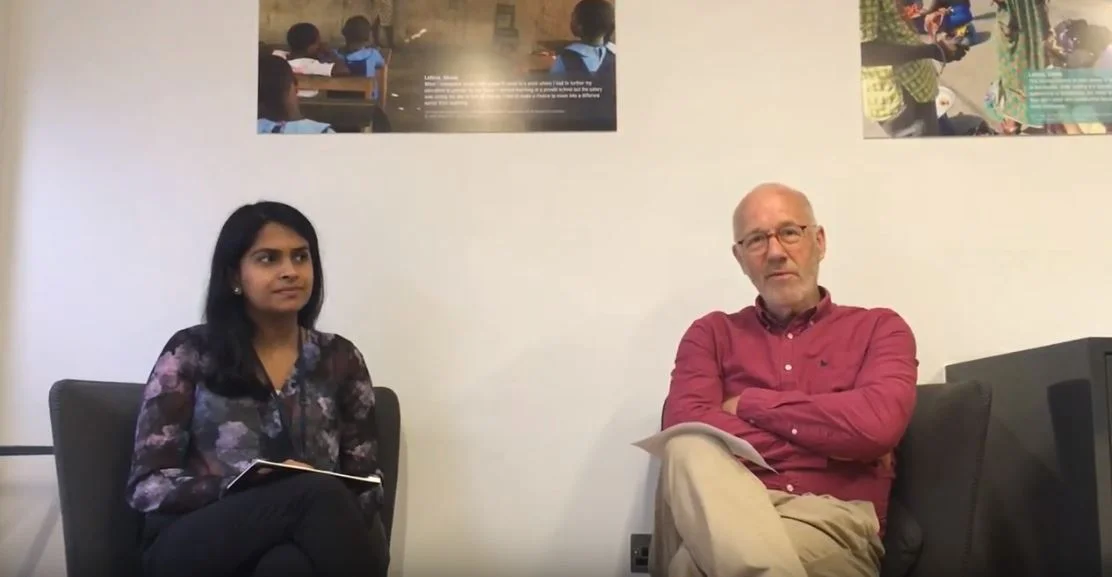
In this video, CPAN authors of the CPR4 report, Andrew Shephard and Vidya Diwakar examine the issues surrounding the report’s themes of economic growth and poverty reduction among the poorest groups.

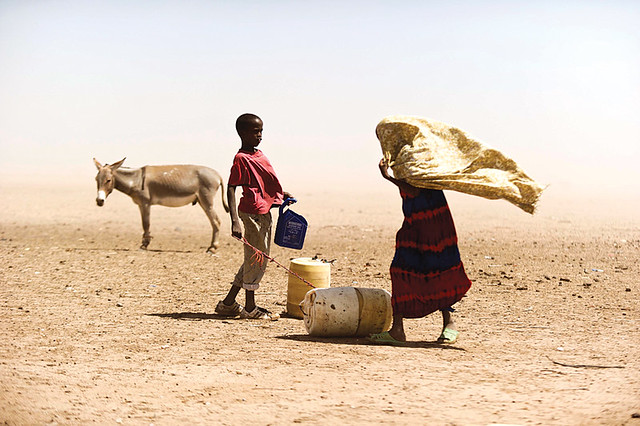
Climate change and eradicating poverty are two intertwined issues and there is the need for more discussion about poverty when climate change is being discussed.
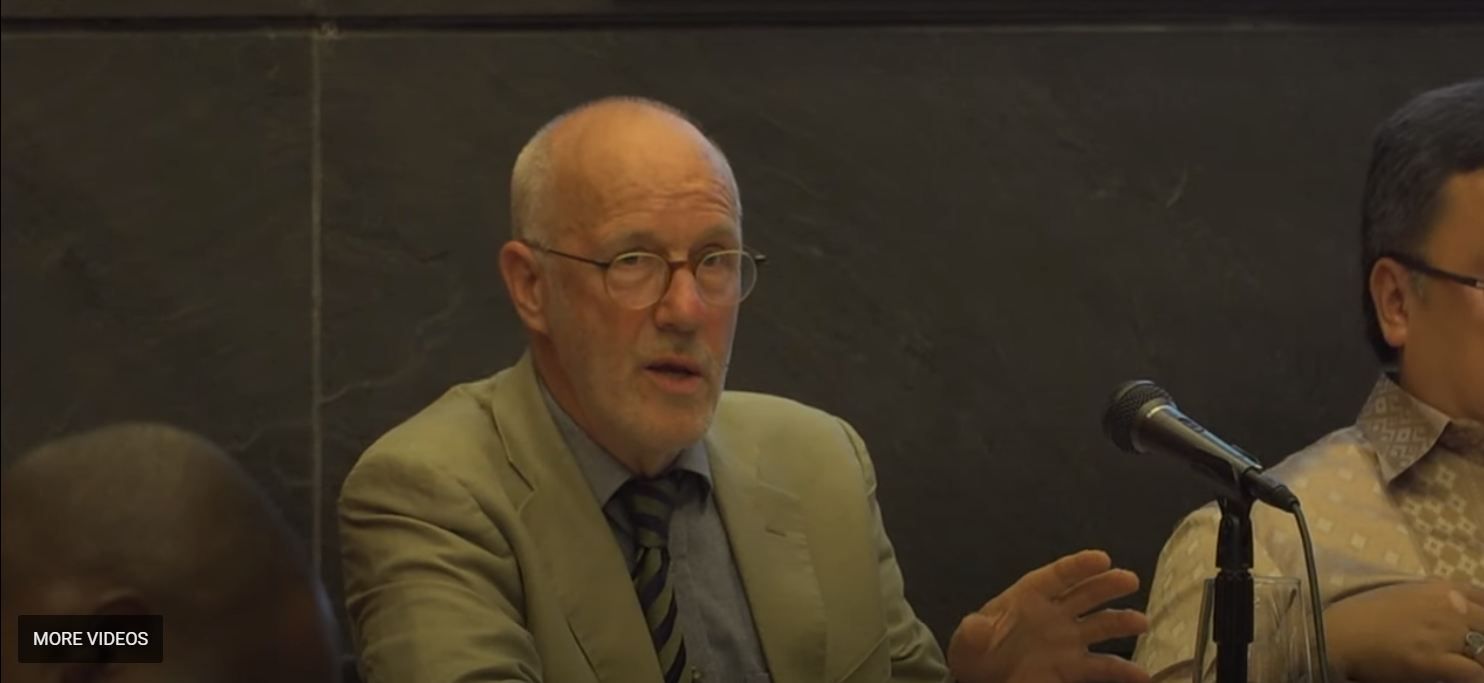
This high-level side event at the 2019 UN High Level Political Forum (HLPF) discusses the concept of ‘growth from below’ and its policy implications for sustained poverty reduction in the context of the 2030 Agenda.

How can we support sustained escapes from poverty in the rural areas? Kate Bird reports on her presentation at the UNDESA Expert Group Meeting on Eradicating Rural Poverty to Implement the 2030 Agenda for Sustainable Development (27 February – 1 March, Addis Ababa).
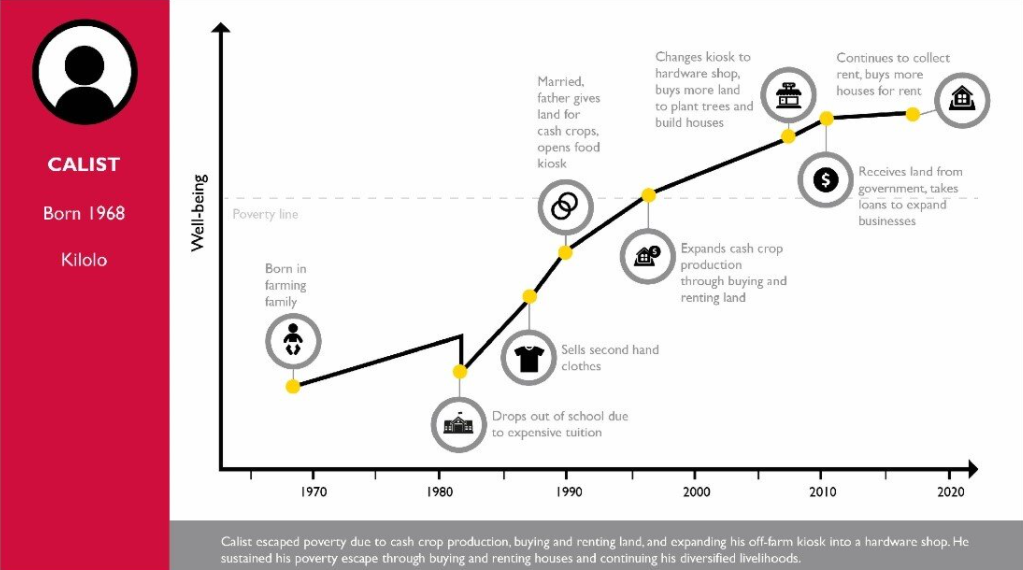
Land continues to be a foundation for sustained escapes from poverty. This blog post examines the finding from the 11 case studies on sustained poverty escapes.

This blog discusses ill health as a shock or stressor for transitory poverty escapes and its policy implications.

Providing equality of opportunity for women and men requires a commitment to equality and empowerment for all women, regardless of their other social group memberships like class, ethnic/racial group or caste. As empowerment improves intergenerational wellbeing and contributes to escapes from poverty that are sustained over time, it is also critical for poverty eradication.

Poverty reduction is more effective if governments identify major risks preventing sustained escapes from poverty.

CPAN is marking the 2018 International Day for the Eradication of Poverty by hosting a panel discussion on effective action to end extreme poverty. Join a group of world-renowned experts for the event at the ODI on Wednesday 17th October from 4.30pm, followed by a drinks reception.

A recent USAID-supported study by CPAN uses quantitative data collected by the Tegemeo Institute and new qualitative data collected by CPAN to understand poverty dynamics in rural Kenya. Several policy recommendations are drawn from this study.