Poverty Dynamics
If the world is to ‘Get to Zero’ extreme poverty this will require, not just ensuring that men and women currently living in poverty are able to escape it, but that new individuals do not become impoverished and that those who have escaped poverty do not once again fall below the poverty line. Several are the shocks that force people below the poverty lines. CPAN research investigates the dynamics and drivers of poverty dynamics to understand how pathways for sustained poverty escape differ and what countries need to do to enhance the escape from and reduce the incidence of transitory escapes.
Projects
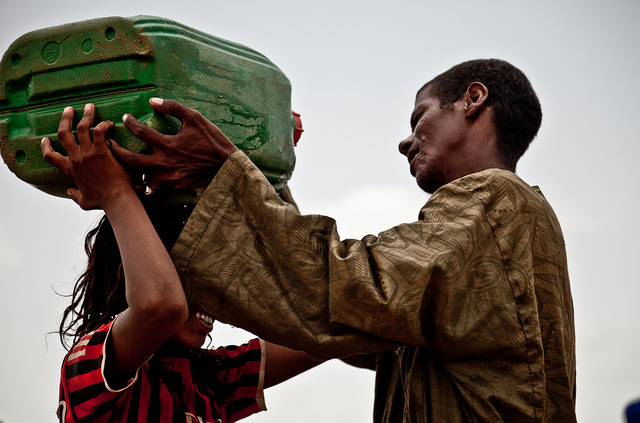
The 'Resilience and Poverty Escapes' project aims to expand the understanding of the drivers of sustained and transitory poverty escapes across contexts and to draw out policy and programing implications.
Photo credit: Malian refugees at Mentao camp, Burkina Faso. Pablo Tosco/Oxfam

Recent research by ODI using existing panel data sets to examine poverty dynamics in 14 countries revealed a disturbing trend. In countries like Kenya, Uganda, and Tanzania, a significant proportion of rural households that escaped poverty have felt back into poverty during the 8 to 10 year period examined. A significant number of rural households that were not poor also became poor during the same period. To further explore, quantify and understand this trend CPAN, in partnership with ACDI VOCA, have started implementing this USAID funded project. Read more.
Photo Credit: CPAN

This work work aims to expand the understanding of the drivers of sustained and transitory poverty escapes across contexts and to draw out policy and programming implications
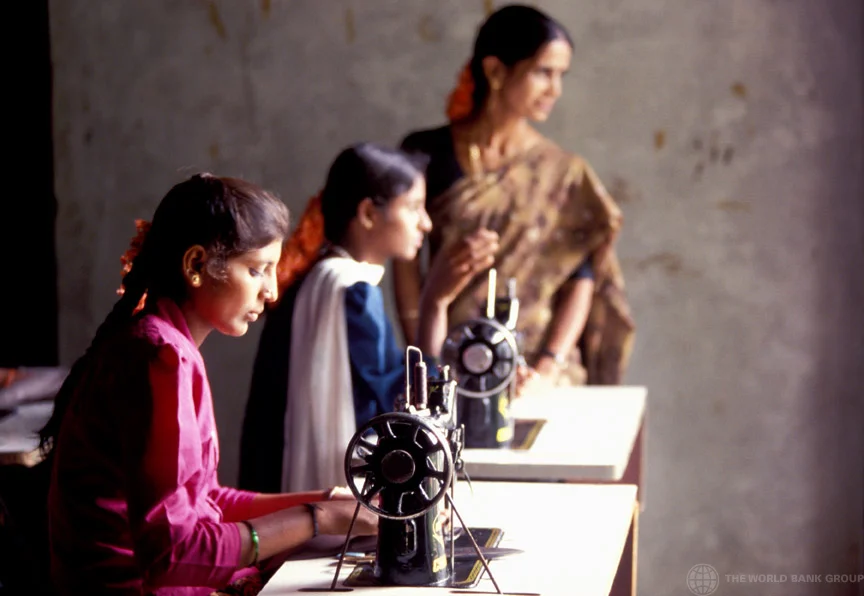
What difference does disability makes to poverty dynamics? Currently there is little evidence about this relationship, however it certainly has serious implications, especially on the conditions and processes that influence the outcomes experienced by households which include persons with disabilities. This Bangladesh-based pilot project aims to provide policy makers at national and global levels with an initial idea of what can be learnt about the relationship between disability and poverty dynamics, and how that modifies the picture of the relationship held by policy makers and practitioners.
Photo Credits: © John Isaac / World Bank
Publications

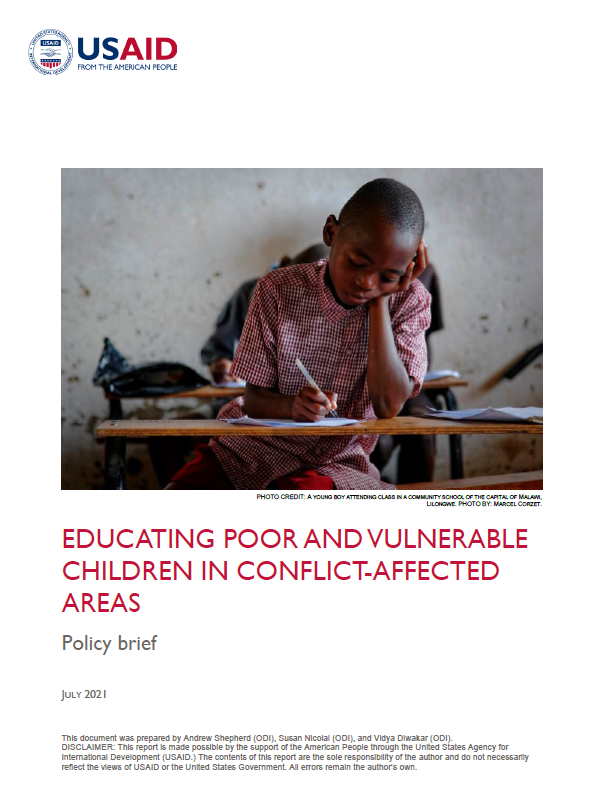
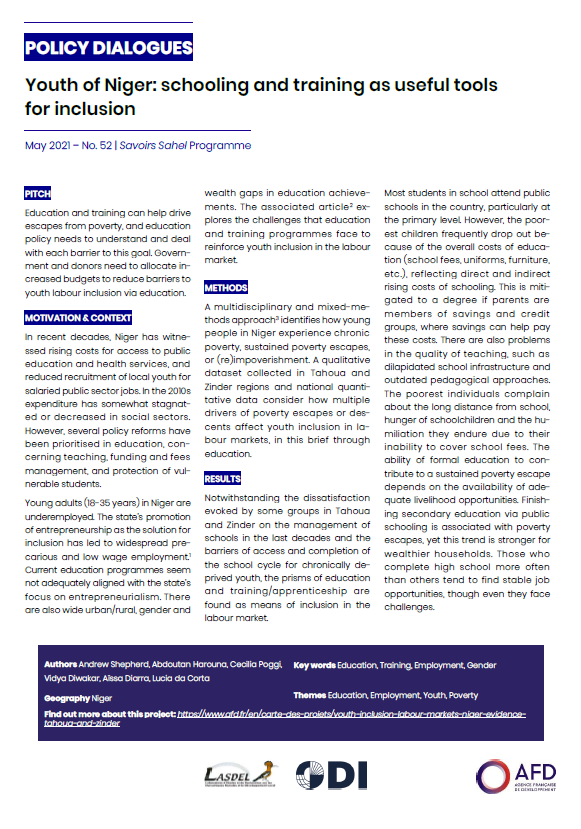

This handbook outlines effective strategies to better consider the interplay between poverty and fragility, conflict and violence in programmes and policies in sub-Saharan Africa (SSA), where most of people living in extreme poverty reside today, many in conflict-affected contexts.
This report highlights poverty reduction in Rwanda during the 2000s and reasons for the unanticipated slowdown in poverty reduction in the recent years.

This paper explores the differences between the qualitative life history interview approach and the quantitative expenditures approach to analysing poverty incidence and poverty dynamics in Rwanda.

This paper presents the results of the qualitative data collection undertaken in Rwanda in 2017 and 2019 as part of a Q-squared analysis of poverty dynamics. It seeks to build on earlier work by da Corta et al. (2018a and 2018b) and Simons (2018) to understand the reasons for the slowdown in poverty reduction in Rwanda from 2014.
This brief outlines countries, sub-national areas and populations in or near poverty that need to be explicitly prioritised in the response to coronavirus.
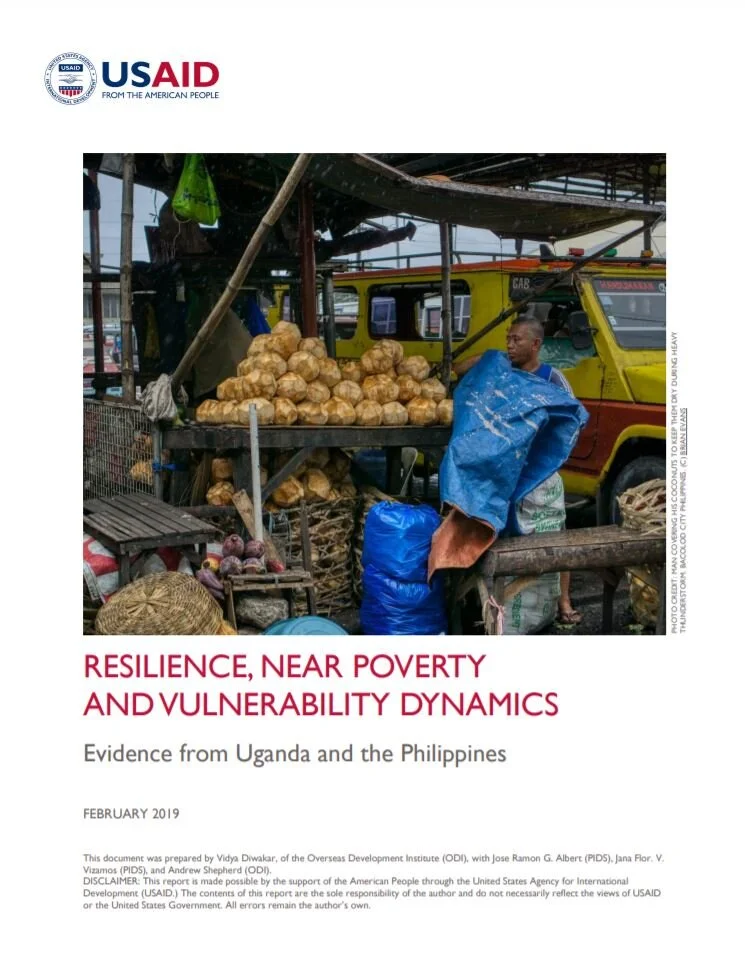
Recent research by ODI CPAN, commissioned by the USAID Center for Resilience, investigated the resilience of households above the poverty line in Uganda and the Philippines.
This study explores social inclusion of poor women and children as both process and outcome in Niger and Malawi.
This policy and programming brief is designed to draw from the multi-dimensional poverty analysis (MDPA) research findings a set of actionable points for programming and for policy dialogue.
Blog


This blog sheds light on the impact of upward and downward income mobility on the structural poverty dynamics in South Africa.
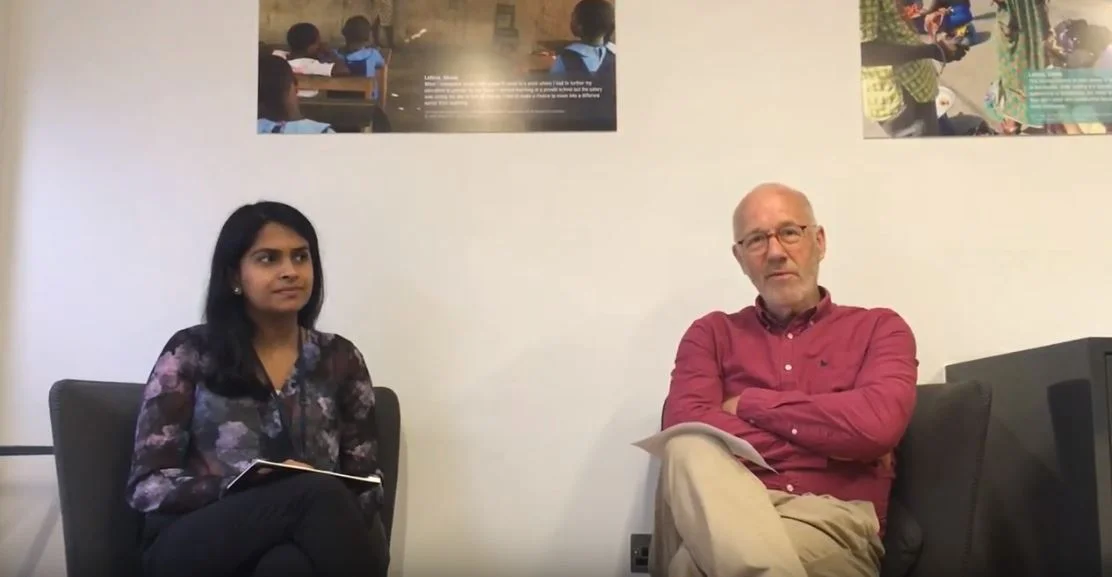
In this video, CPAN authors of the CPR4 report, Andrew Shephard and Vidya Diwakar examine the issues surrounding the report’s themes of economic growth and poverty reduction among the poorest groups.

How can we support sustained escapes from poverty in the rural areas? Kate Bird reports on her presentation at the UNDESA Expert Group Meeting on Eradicating Rural Poverty to Implement the 2030 Agenda for Sustainable Development (27 February – 1 March, Addis Ababa).
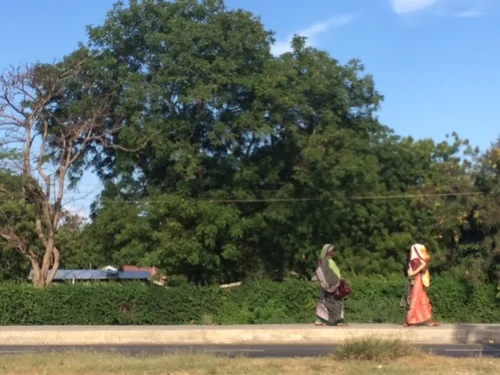
Land continues to be a foundation for sustained escapes from poverty. This blog post examines the finding from the 11 case studies on sustained poverty escapes.

This blog discusses ill health as a shock or stressor for transitory poverty escapes and its policy implications.

Providing equality of opportunity for women and men requires a commitment to equality and empowerment for all women, regardless of their other social group memberships like class, ethnic/racial group or caste. As empowerment improves intergenerational wellbeing and contributes to escapes from poverty that are sustained over time, it is also critical for poverty eradication.

Poverty reduction is more effective if governments identify major risks preventing sustained escapes from poverty.

The event presented the findings of CPAN’s research on poverty dynamics with the aim to provide the latest evidence on policies and programmes that can assist in achieving positive poverty outcomes.

This event will present findings of CPAN’s latest research with the aim to provide the latest evidence on policies and programmes that can assist in achieving positive poverty outcomes.
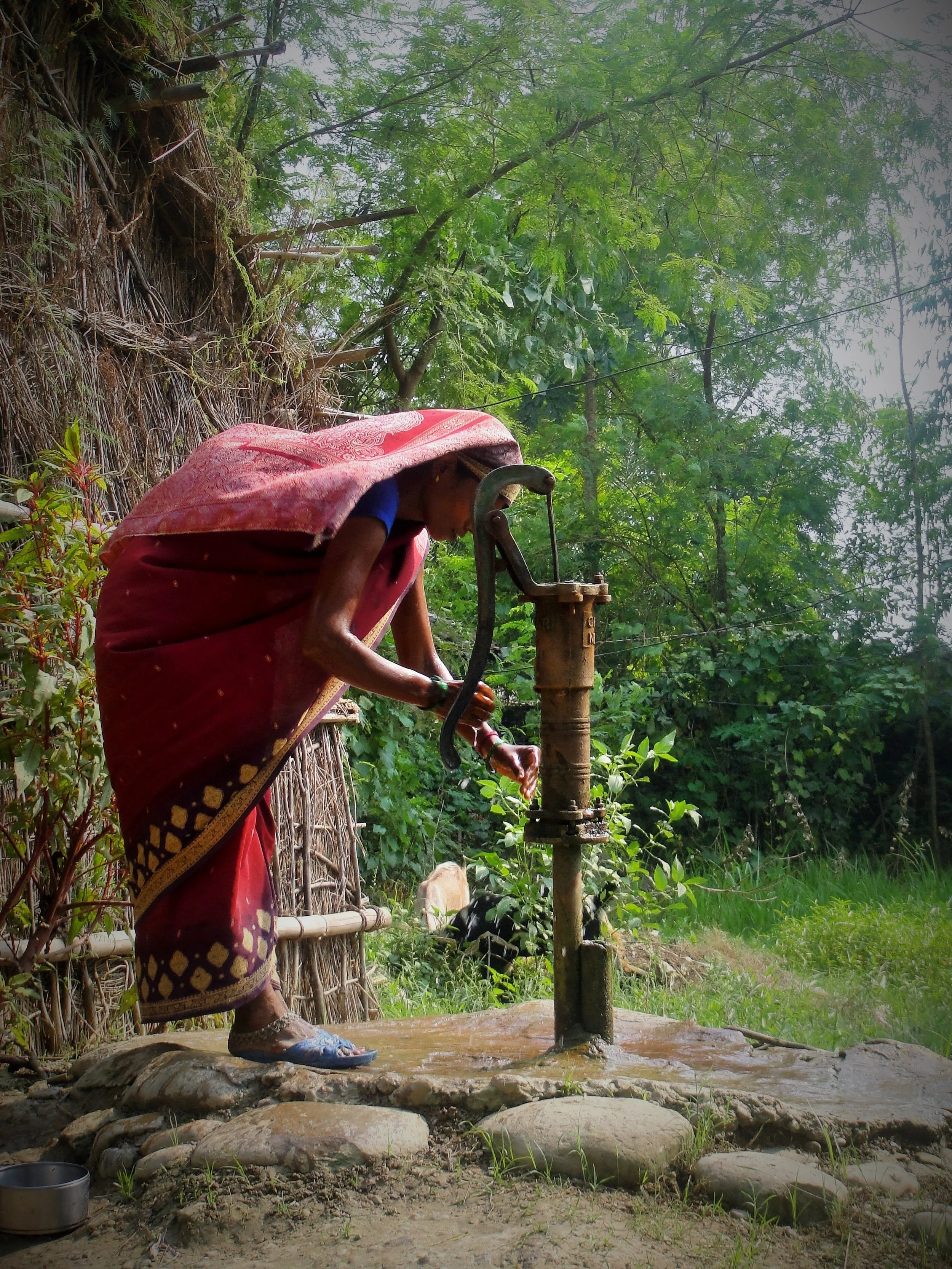
This blog outlines the story of 50-year-old Nepalese woman. This is a story of tumultuous ups and downs, an escape from poverty followed by a series of shocks that has left her today in a state of despair. Food for thought to develop some initial policy implications on ensuring that escapes from poverty can be sustained in Nepal.

A reflection on the CPAN event 'Eradicating poverty: using poverty dynamics to enhance development efforts' by Alfred Bizoza, Director of Research at IPAR Rwanda.

Shofiqul, from Jessore district, Bangladesh, is now 60 years old. During the 1990s, he cultivated rice, jute, wheat and lentils on his own land. By the early 2000s, him and his family were doing very well. Now however, he says that his family has fallen to its lowest level; “in present we only eat rice with salt…in the last few years I have only dreamed about buying an egg. In the last five years, I am unable to give any saree, soap and oil to my wife.”

The Chronic Poverty Advisory Network is pleased to announce the event ‘Eradicating poverty: using poverty dynamics to enhance development efforts’ that will take place in Nairobi, Kenya, on the 3 and 4 May 2017. In the last years CPAN has produced an extensive set of publications on anti-discrimination and disability, social protection, growth and poverty dynamics. The event aims to present this comprehensive set of publications to policy makers in this dissemination workshop that will also be a preparatory exercise for the 4th Chronic Poverty Report.
Photo Credit: Pablo Tosco/Oxfam - At the Mentao Nord camp in Burkina Faso. Photo available here.
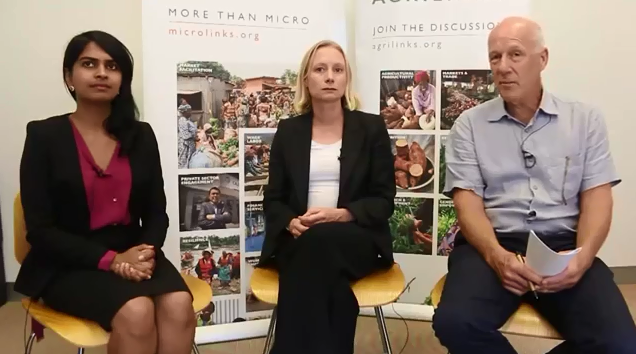
During the the joint Microlinks-Agrilinks conference held this past September on Sustainable Poverty Escapes, researchers Vidya Diwakar, Lucy Scott, and Andrew Shepherd discussed findings from their research on poverty escapes from rural Bangladesh, Ethiopia, and Uganda. After the event, The Agrilinks team sent audience questions to the presenters, who provided the answers.
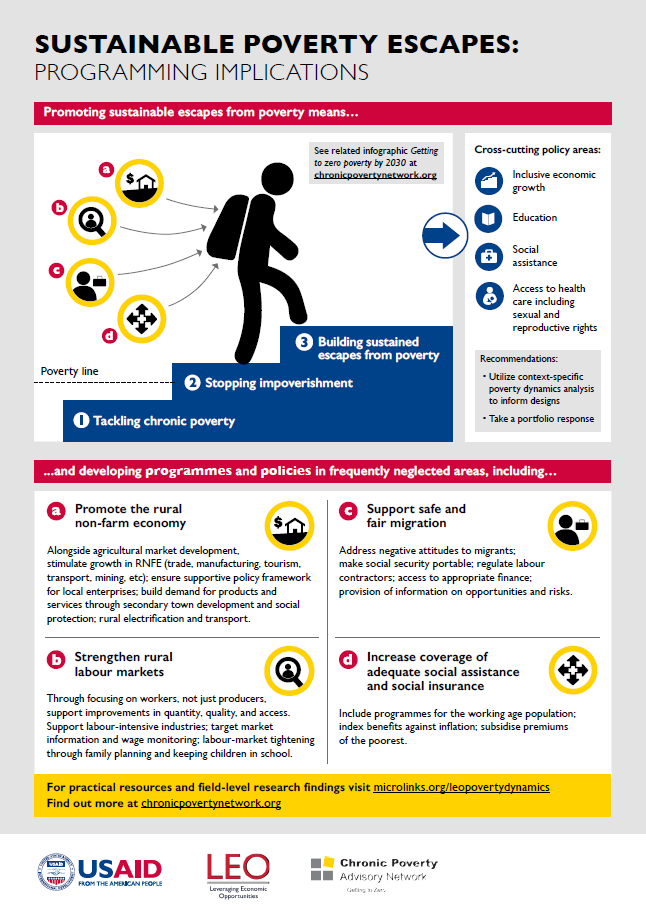
“Moving from humiliation and exclusion to participation: Ending poverty in all its forms” was the theme for this year's International Day for the Eradication of Poverty. In the framework of a project on poverty dynamics and poverty escapes, the Chronic Poverty Advisory Network has been working towards this objective.

Combining quantitative and qualitative approaches is important to understand better and identify sustained pathways out of extreme poverty. Qualitative Comparative Analysis (QCA) are a useful tool to study causes and effects of poverty reduction.

Disability may cause poverty, and poverty may cause disability. This two-way street has become a landmark drive-through visited time and again in disability and poverty discourses. But what about the intersections – women with disabilities who are persistently poor?
Photo Credit: Panos Picture
CPAN’s second Challenge Paper, How Resilient are Escapes from Poverty? investigates what happens to households after escaping poverty.
If the world is to ‘Get to Zero’ extreme poverty this will require, not just ensuring that men and women currently living in poverty are able to escape it, but that new individuals do not become impoverished and that those who have escaped poverty do not once again fall below the poverty line. There are significant variations in the sustainability of poverty escapes, consequently the overall objective of this research project is to investigate how pathways for sustained poverty escape differ.
Photo Credit: A child peeks through the window of a classroom - Shreeshitalacom Lower Secondary School. Kaski, Nepal. Photo: © Simone D. McCourtie / World Bank - Photo ID: SDM-NP-058 World Bank