Featured Research
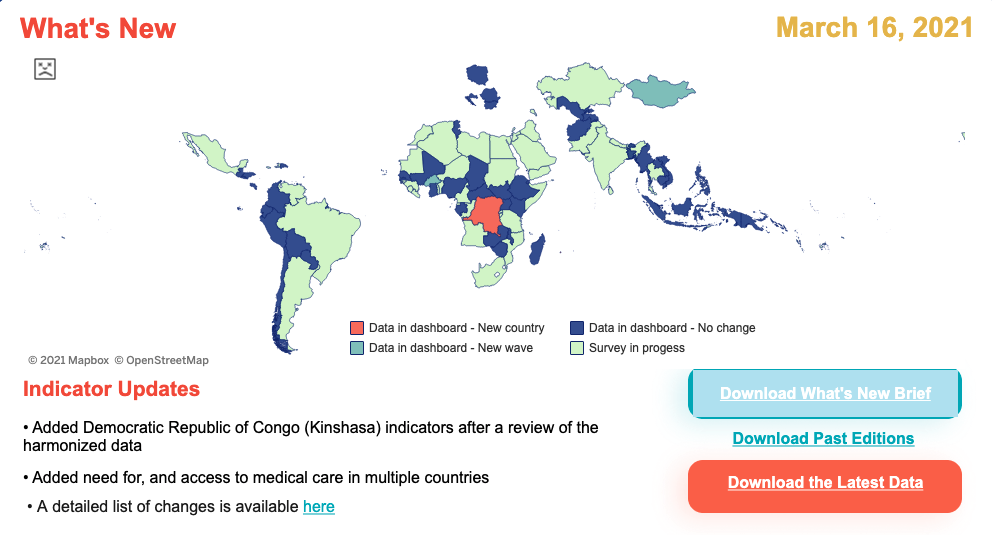
September Covid-19 Poverty Monitor: How is Covid-19 impacting the poorest and those at risk of impoverishment in Ethiopia? Read our September 2021 Covid-19 Poverty Monitor to find out.
To complement our Covid-19 Poverty Monitor, we’ve gathered a list of helpful resources for those developing policies needed to address the negative social and economic impacts of the pandemic. Our Ethiopia Covid-19 Poverty Monitor is coming soon.
Latest Blog
CPAN Infographics on Life-history inteviews
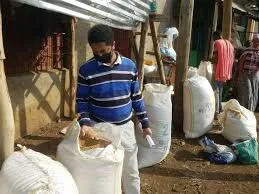
Life-history interviews, which are at the core of CPAN’s research approach, are in-depth individual interviews to identify the most important events during an individual’s life and the potential causes of an increase or decrease in well-being. Complementing quantitative panel data analysis with life history interviews enables the varied drivers of poverty trajectories to be disentangled and to capture the nuances that may not be picked-up in survey data collection.
CPAN PUBLICATIONS ON ETHIOPIA
The brief presents findings around health shocks and health as a resilience capacity from a series of 11 country studies on drivers of poverty dynamics in both Africa and Asia.
This paper examines the politics of poverty reduction in Ethiopia, Tanzania and Rwanda using the political settlements framework. It discusses the extent to which the political settlement prevailing in any country influences the consistency and quality of policy making and the success or failure of anti-poverty policies and initiatives
This study aimed to interrogate the common factors behind sustained escapes from poverty, as well as policy measures that supported such escapes in Ethiopia.
This study aims to increase the understanding of the factors associated with impoverishment and sustained escapes from poverty and of how policies and programmes can support these escapes in Ethiopia.
This report presents the major findings of a qualitative study carried out in four selected areas of Ethiopia. The purpose of the study was to understand the factors in and processes related to sustained escape from poverty. It also aimed to establish the major political, economic and social contextual factors and changes that shape the pathways of different social groups.
The overall aim of this project is to increase our understanding of the factors associated with sustained escapes from poverty, of how policies and programmes can support these escapes and the political and institutional pre-conditions under which these policies can successfully be initiated.
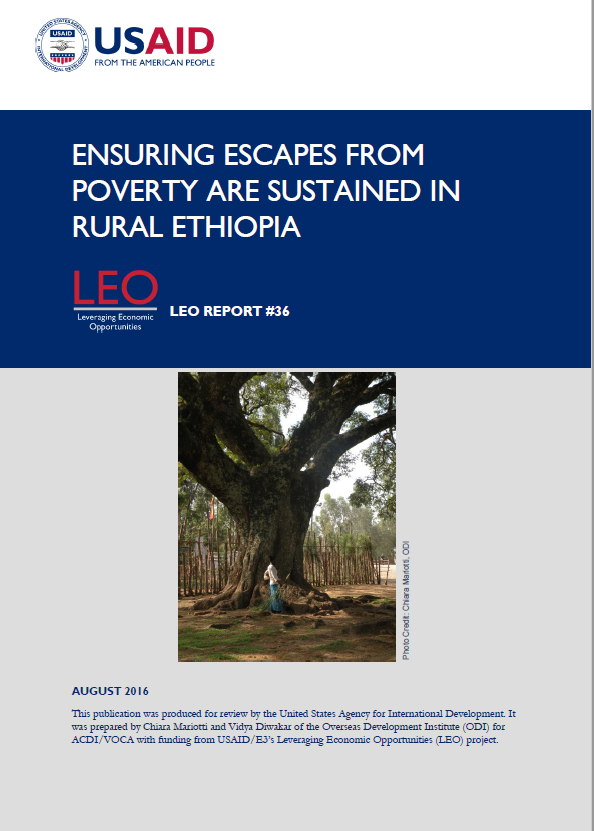
This report examines why some households in Ethiopia are able to escape poverty and remain out of it—that is, they experience sustained escapes from poverty—while others escape poverty only to return to living in it again – that is, they experience transitory escapes. The report investigates the resources (land, livestock, and value of assets), attributes (household composition and education level), and activities (including jobs, engagement in non-farm activities and migration) of households that enable them to escape poverty sustainably and minimize the likelihood of returning to living in poverty again.
Authors: Chiara Mariotti and Vidya Diwakar
CPAN BLOGS ON ETHIOPIA
Our latest research is the first of three bulletins investigating the negative social and economic impacts of the pandemic in the Philippines, Zambia, Malawi and Ethiopia.
Covid-19 is hitting the poorest people the hardest - upcoming research interviews people behind the statistics.
Life-history interviews, which are at the core of CPAN’s research approach, are in-depth individual interviews to identify the most important events during an individual’s life and the potential causes of an increase or decrease in well-being. In collaboration with local researchers, CPAN and ODI staff undertook focus group discussions and life histories in villages in Bangladesh, Ethiopia and Uganda in the framework of the project "Preventing backsliding to end extreme poverty".
Photo Credit: CPAN
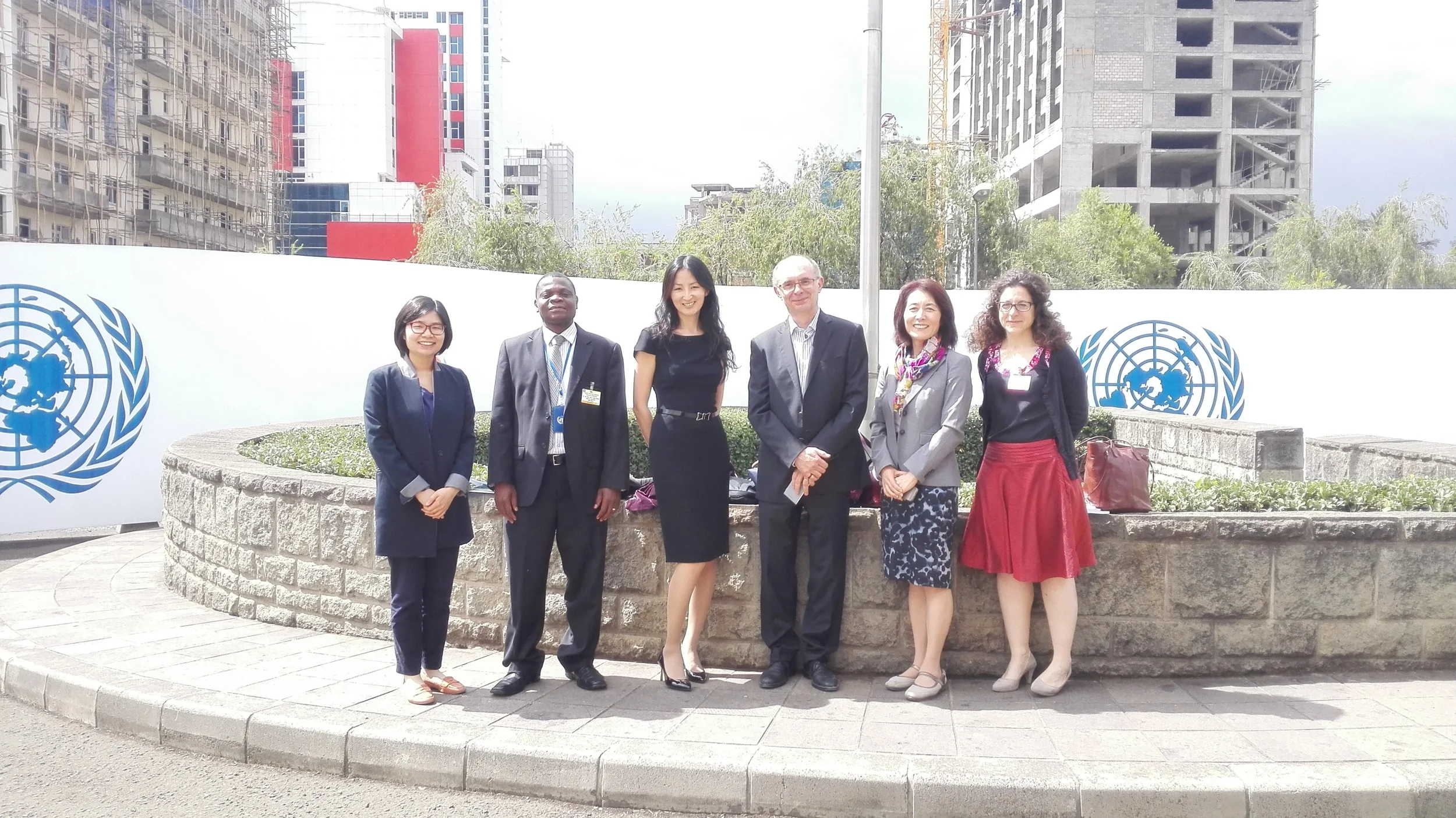
Chiara Mariotti, CPAN Research Officer participated in the UNDESA-DSPD Expert Group Meeting in Addis Ababa, Ethiopia, on Implementation of the Second United Nations Decade for the Eradication of Poverty on 27-29 May 2015. On this occasion Chiara presented the paper Challenges in eradicating chronic poverty: what policies for pro-poorest growth and decent work for all? .

CMI