Featured Research
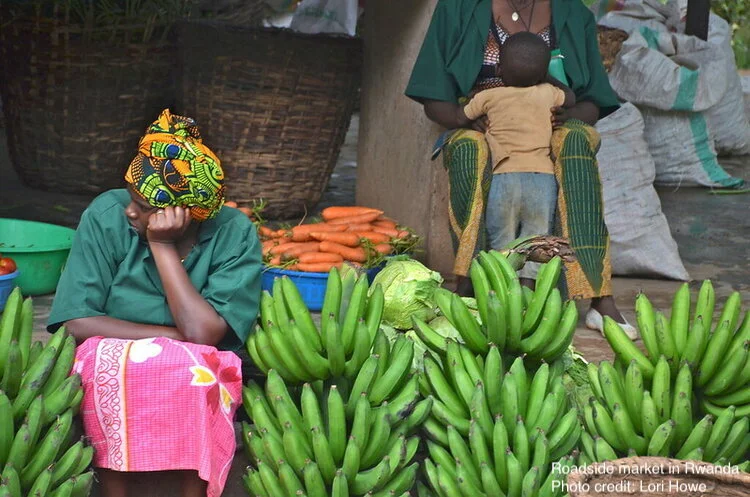
Understanding poverty trends and poverty dynamics in Rwanda: Following a period of reduction between 2001 to 2017, the poverty rate in Rwanda has stalled. This paper presents the results of qualitative data collected in Rwanda between 2017 and 2019 to understand the reasons for this slowdown in poverty reduction.
To complement our Covid-19 Poverty Monitor, we’ve gathered a list of helpful resources for those developing policies needed to address the negative social and economic impacts of the pandemic. Our Rwanda Covid-19 Poverty Monitor is coming soon.
Latest Blog
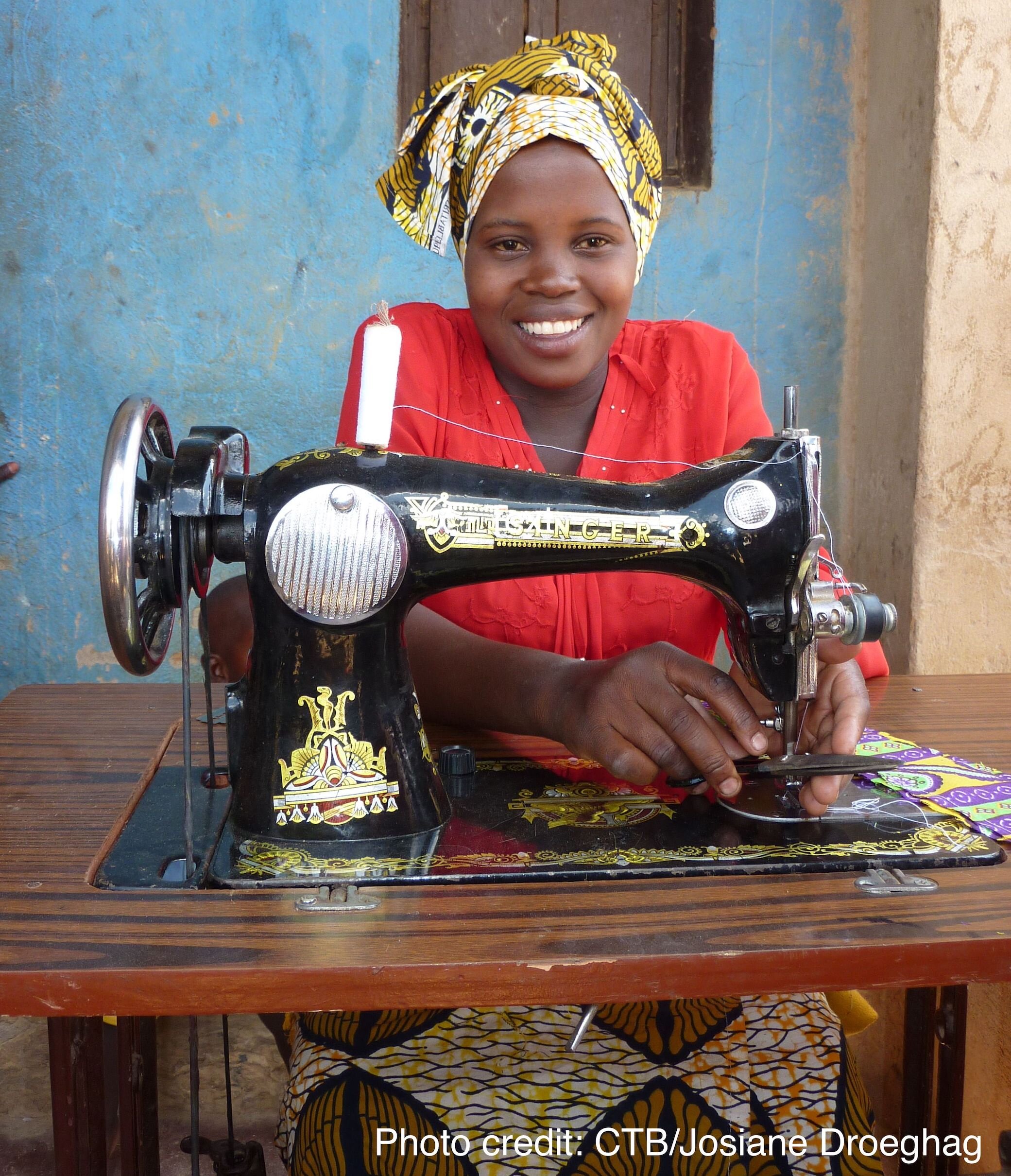
SDGs series #1: Where Rwanda needs to focus on in the new course of Sustainable Development Goals by 2030?
Rwanda is among the very few countries worldwide that have embarked on the process of SDGs domestication. Through the collaboration with development partners, the country has already started to assess how to domesticate the SDGs targets in the national development and poverty reduction strategies such as the Vision 2020, the Economic Poverty Reduction Strategy (EDPRS), and the Sector Strategic Plans (SSPs) as well as the District Development Plans (DDPs) at the local government level.
CPAN PUBLICATIONS ON RWANDA
This report highlights poverty reduction in Rwanda during the 2000s and reasons for the unanticipated slowdown in poverty reduction in the recent years.
This paper explores the differences between the qualitative life history interview approach and the quantitative expenditures approach to analysing poverty incidence and poverty dynamics in Rwanda.
This paper presents the results of the qualitative data collection undertaken in Rwanda in 2017 and 2019 as part of a Q-squared analysis of poverty dynamics. It seeks to build on earlier work by da Corta et al. (2018a and 2018b) and Simons (2018) to understand the reasons for the slowdown in poverty reduction in Rwanda from 2014.
The brief presents findings around health shocks and health as a resilience capacity from a series of 11 country studies on drivers of poverty dynamics in both Africa and Asia.
This paper examines the politics of poverty reduction in Ethiopia, Tanzania and Rwanda using the political settlements framework. It discusses the extent to which the political settlement prevailing in any country influences the consistency and quality of policy making and the success or failure of anti-poverty policies and initiatives
The contribution of this paper is to establish knowledge of how and whether the observed economic growth in the past has been pro-poor and identify what are the enablers and constraints of poverty reduction in Rwanda.
If we want to continue to reduce poverty in Rwanda, we have to look at the determinants of poverty in the country and generate new ways to tackle it, as well as continuing along existing paths, where appropriate. Identifying the determinants of poverty will help us to fight poverty in a sustainable way. This paper investigates how.
The overall aim of this project is to increase our understanding of the factors associated with sustained escapes from poverty, of how policies and programmes can support these escapes and the political and institutional pre-conditions under which these policies can successfully be initiated.
CPAN BLOGS ON RWANDA
Rwanda is among the very few countries worldwide that have embarked on the process of SDGs domestication. Through the collaboration with development partners, the country has already started to assess how to domesticate the SDGs targets in the national development and poverty reduction strategies such as the Vision 2020, the Economic Poverty Reduction Strategy (EDPRS), and the Sector Strategic Plans (SSPs) as well as the District Development Plans (DDPs) at the local government level.
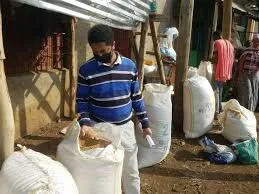
Photo Credit: Panos Picture

World Bank