
Poverty is a dynamic phenomenon; while some people remain in poverty for long periods of time, over the same period others escape poverty, others fall into poverty and yet others escape poverty and fall back into it. In other words, poverty reduction is not a one-way street. An understanding of the nature of poverty trajectories is important, as different trajectories require different programmatic responses. In addition, if poverty reduction efforts will ever be successful in the long term, escapes from poverty must be sustained over time.
This brief draws on lessons from the country-level research to propose implications of a poverty dynamics approach for policies and programs in order to better support conditions in which poverty escapes can be sustained over time.
Download the brief here.
Author: Lucy Scott and Andrew Shepherd with the support of Anna Garloch of ACDI/VOCA
This policy brief is part of the USAID funded project Investigating the dynamics and drivers of transitory poverty escapes

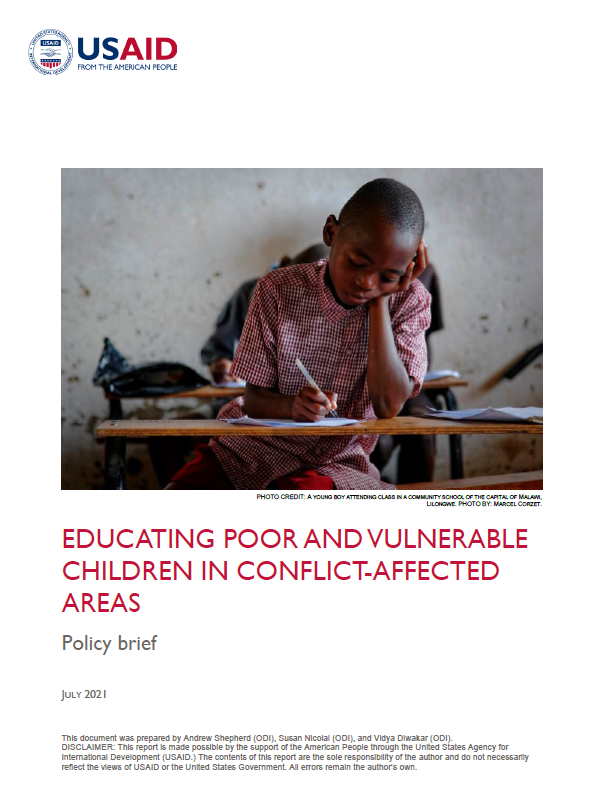
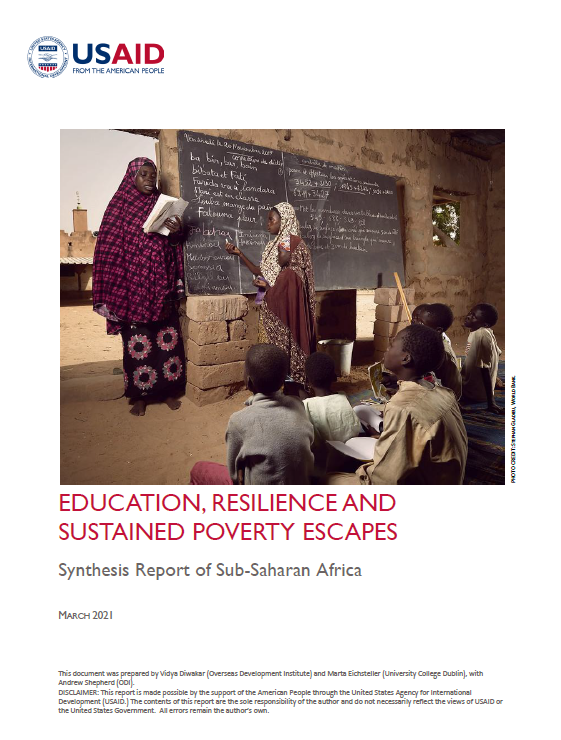
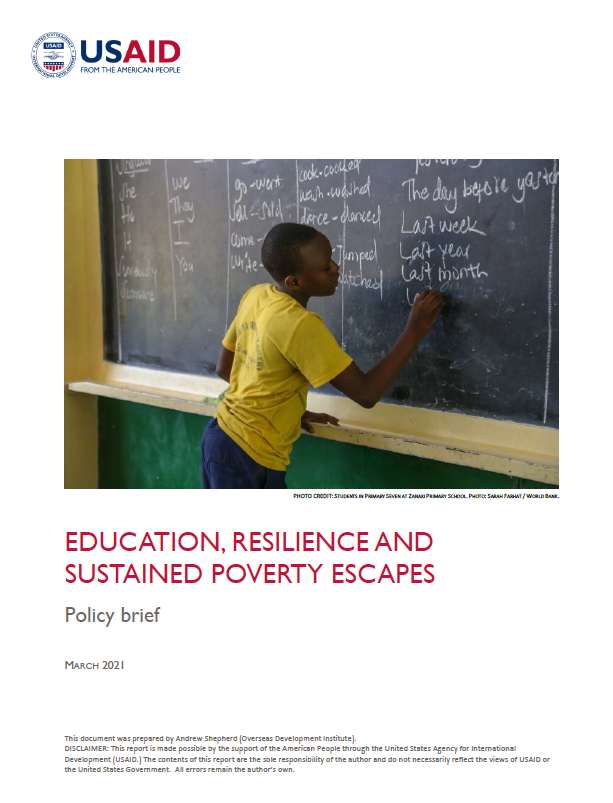
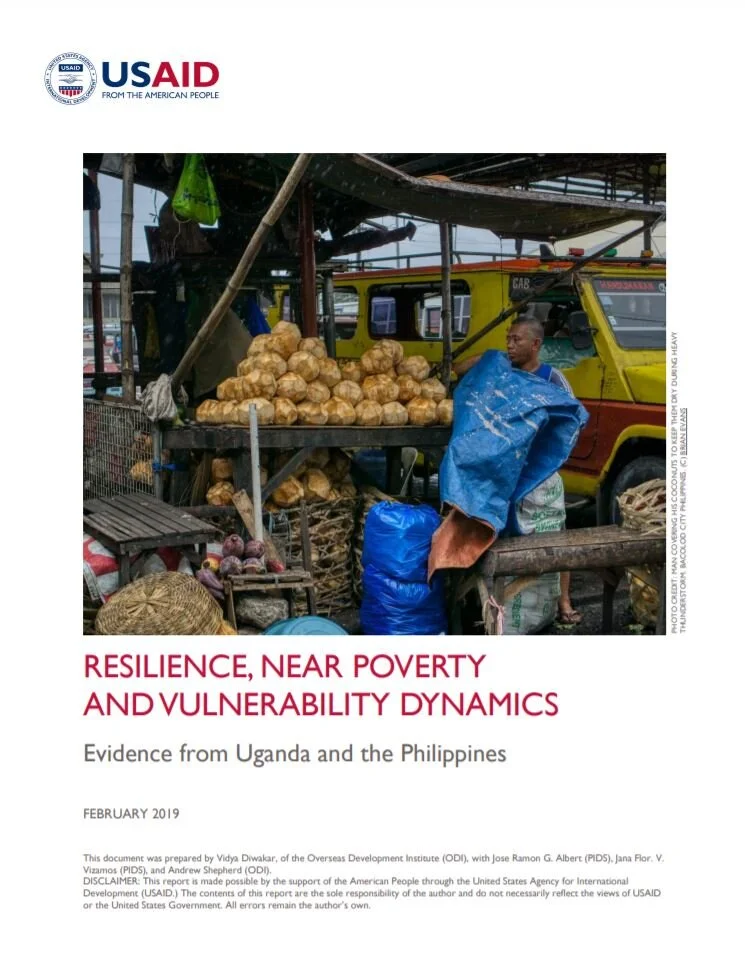
Recent research by ODI CPAN, commissioned by the USAID Center for Resilience, investigated the resilience of households above the poverty line in Uganda and the Philippines.
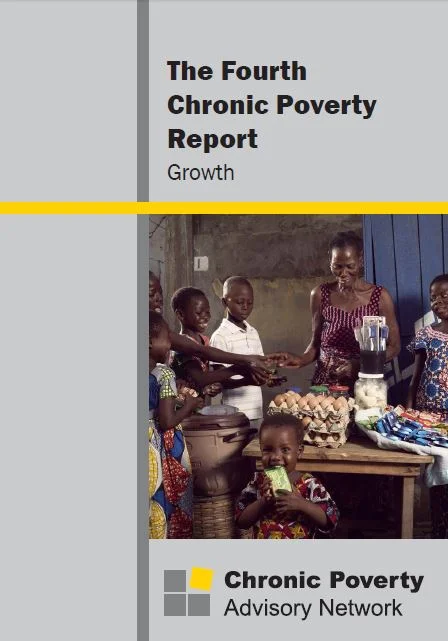
This report introduces the concept of ‘Growth from below’ and analyses policies and programmatic approaches that directly help people out of poverty through the informal economy, women’s economic empowerment and the inclusion of most marginalised groups, agriculture, the rural non-farm economy and migration.

The brief presents findings around health shocks and health as a resilience capacity from a series of 11 country studies on drivers of poverty dynamics in both Africa and Asia.
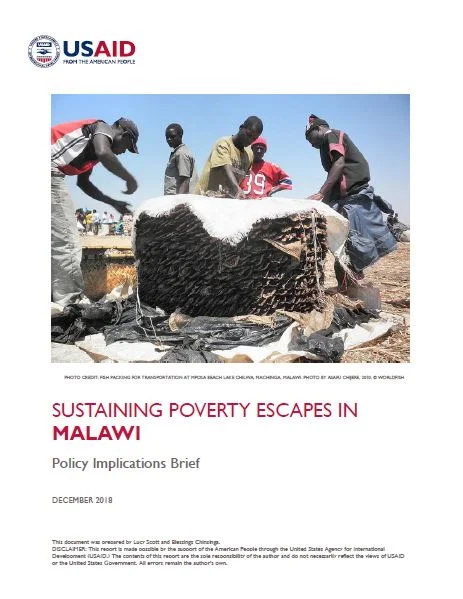
This brief draws on results of mixed methods research in Malawi, to offer policy and programming implications for sustained poverty reduction.
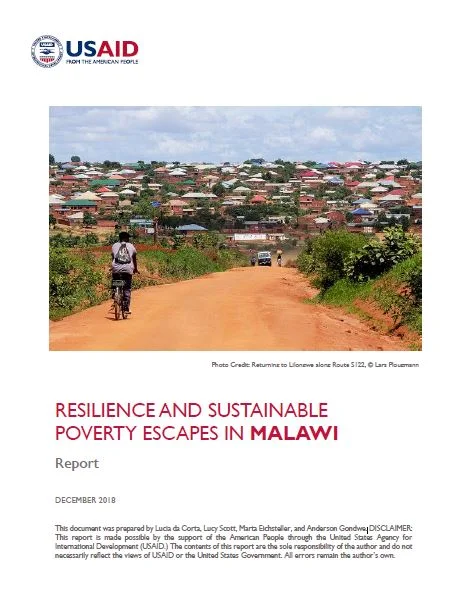
This research examined why some households in Malawi escape and remain out of poverty (sustainable poverty escape), while other households escape it only to fall back into poverty (transitory poverty escape) and still others descend into poverty for the first time (impoverishment).
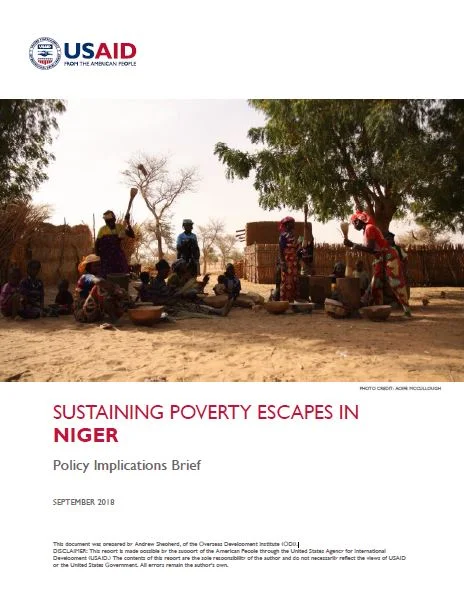
This policy brief highlights the policy recommendations to contribute to achieve sustained escapes out of poverty in Niger