

This brief draws on results of mixed methods research in Malawi, to offer policy and programming implications for sustained poverty reduction. In doing so, it focuses on three areas, which were chosen as they emerged as particularly salient issues out of the quantitative and qualitative analysis of resilience and sustained poverty escapes:
Improving agricultural productivity and reducing price volatility through a focus on agricultural extension, irrigation, water management and market development.
Increasing profitable engagement in the non-farm economy – including through a focus on electricity and training, as well as savings. This section also highlights the dangers of irresponsible credit.
Investing in social protection - including making it more shock-sensitive
Authors: Lucy Scott and Blessings Chinsinga
Download the policy implication brief here
Drawing from the accompanying national report in Malawi, this brief highlights the policy recommendations to contribute to achieve sustained escapes out of poverty in Malawi.
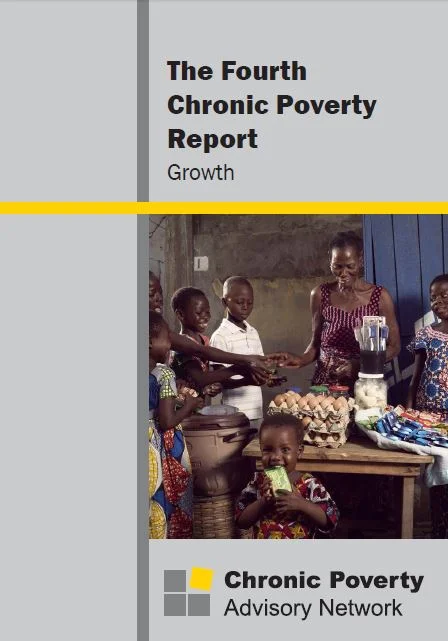
This report introduces the concept of ‘Growth from below’ and analyses policies and programmatic approaches that directly help people out of poverty through the informal economy, women’s economic empowerment and the inclusion of most marginalised groups, agriculture, the rural non-farm economy and migration.

The brief presents findings around health shocks and health as a resilience capacity from a series of 11 country studies on drivers of poverty dynamics in both Africa and Asia.
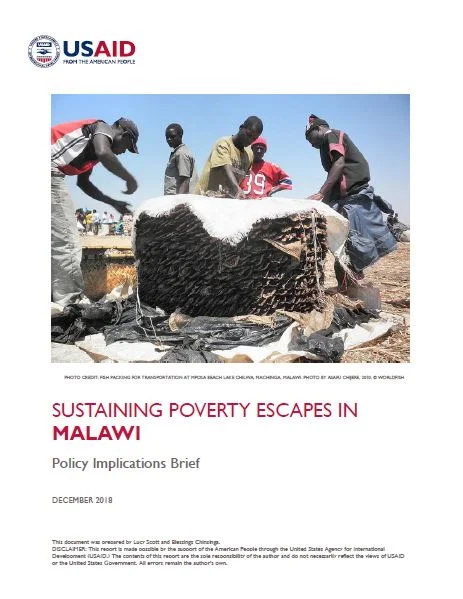
This brief draws on results of mixed methods research in Malawi, to offer policy and programming implications for sustained poverty reduction.
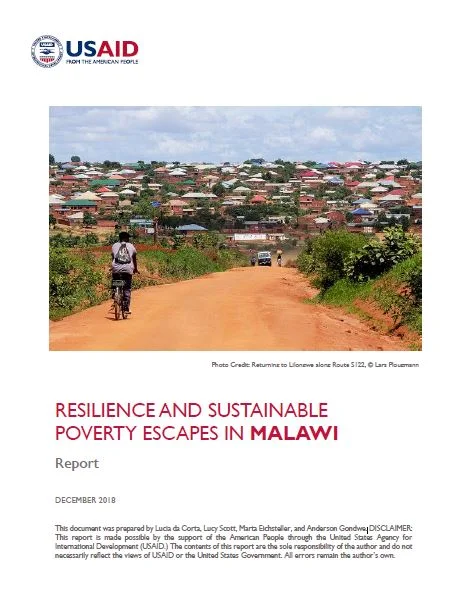
This research examined why some households in Malawi escape and remain out of poverty (sustainable poverty escape), while other households escape it only to fall back into poverty (transitory poverty escape) and still others descend into poverty for the first time (impoverishment).
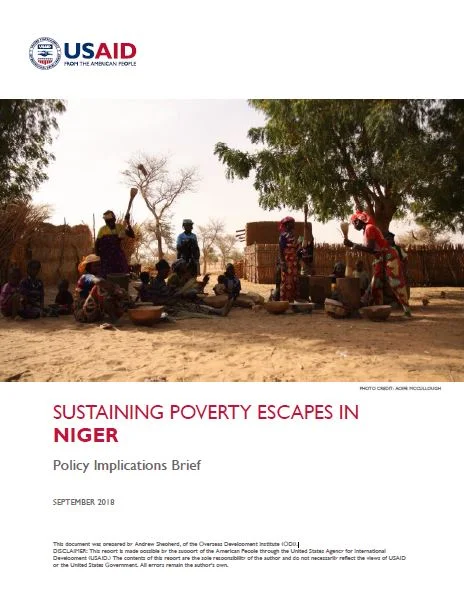
This policy brief highlights the policy recommendations to contribute to achieve sustained escapes out of poverty in Niger
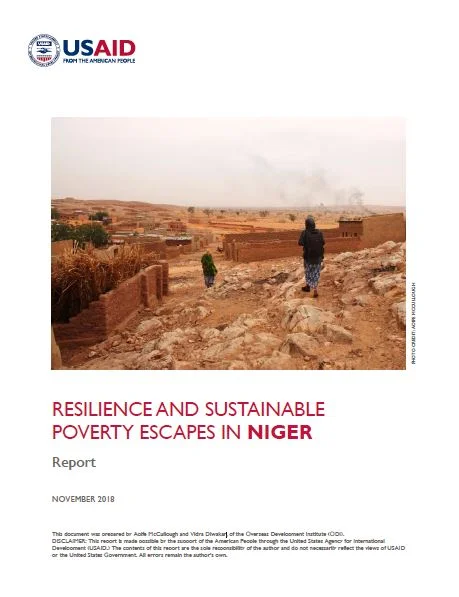
The focus of this report is on resilience and household poverty dynamics in Niger, specifically escapes and descents, with a focus on what explains why some households escape poverty and remain out of poverty, while other households escape poverty only to fall back into poverty.
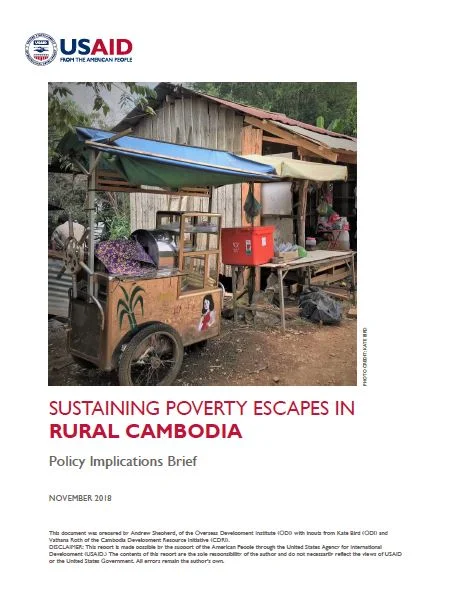
The focus of this brief is on what these findings may mean for interventions and approaches in Cambodia that aim to enable poor households to escape from poverty and to maintain that escape over time
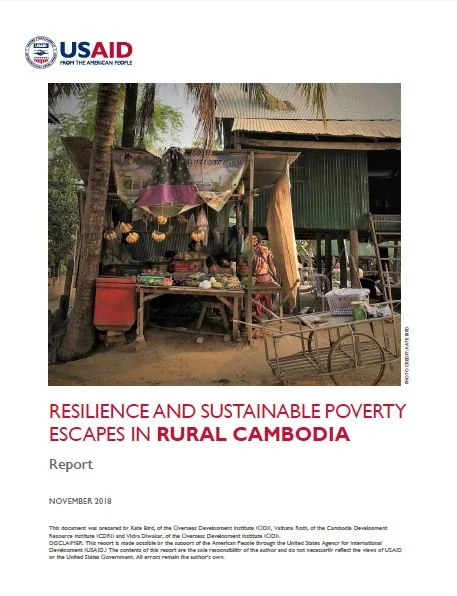
The focus of this report is on household poverty escapes in rural Cambodia and explains why some households escape poverty and remain out of poverty (sustainable poverty escape, or resilience), while other households escape poverty only to fall back into poverty (transitory poverty escape) and still other descend into poverty for the first time (impoverishment
The contribution of this paper is to establish knowledge of how and whether the observed economic growth in the past has been pro-poor and identify what are the enablers and constraints of poverty reduction in Rwanda.
Recent research by ODI CPAN, commissioned by the USAID Center for Resilience, investigated the resilience of households above the poverty line in Uganda and the Philippines.