


Featured Research
Understanding and Supporting Sustained Pathways out of Extreme Poverty and Deprivation: Tanzania National Report Why some households are able to escape poverty and remain out of it while others escape poverty only to return to living in it again.




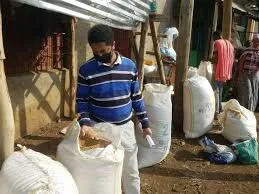
To complement our Covid-19 Poverty Monitor, we’ve gathered a list of resources for those developing policies to address the negative social and economic impacts of the pandemic. Our first Tanzania Covid-19 Poverty Monitor is coming soon.

Latest Blog
Shouting or cooperating? What’s the best way to use indexes to get better local government?
A blog by Duncan Green, strategic adviser for Oxfam GB, on the CPAN Event ‘Shouting at the system won’t make it work!’ and his thoughts on the use of indexes to hold local officials to account.
CPAN PUBLICATIONS ON TANZANIA



The brief presents findings around health shocks and health as a resilience capacity from a series of 11 country studies on drivers of poverty dynamics in both Africa and Asia.
This paper examines the politics of poverty reduction in Ethiopia, Tanzania and Rwanda using the political settlements framework. It discusses the extent to which the political settlement prevailing in any country influences the consistency and quality of policy making and the success or failure of anti-poverty policies and initiatives
This brief draws on results of mixed methods research in Tanzania, to offer policy and programming implications for sustained poverty reduction.
This report focuses on household poverty escapes in Tanzania and explains why some households escape poverty and remain out of poverty (sustainable poverty escape, or resilience), while other households escape poverty only to fall back into poverty (transitory poverty escape) or descend into poverty for the first time (impoverishment).
This study aimed to explore the factors that sustain escapes from poverty in Tanzania, including pathways out of poverty, the policies/programmes/strategies and institutions that sustain poverty escapes and create resilience, and the effect of political settlements in supporting and sustaining poverty escapes.
This study explores the nature of poverty dynamics in Tanzania using three waves of the Tanzanian National Panel Survey, spanning 2008 and 2013, and estimates the correlates for such dynamics
This study look at poverty dynamics in Tanzania under a qualitative approach.
The overall aim of this project is to increase our understanding of the factors associated with sustained escapes from poverty, of how policies and programmes can support these escapes and the political and institutional pre-conditions under which these policies can successfully be initiated.

This paper explores agroecology as an alternative approach to agricultural transformation, offering low-input but knowledge intensive agriculture as a more inclusive and sustainable way forwards.
Authors: Anna Mdee, Alex Wostry, Andrew Coulson & Janet Maro
This working paper details the process of creating a Local Governance Performance Index (LGPI) in Mvomero and Kigoma-Ujiji Districts of Tanzania and of studying its applicability.
Authors: Anna Mdee, Patricia Tshomba & Andrew Mushi
This briefing paper summarises findings around the key questions of what ‘development’ means at the local level, who is responsible for it, and how local government can be held to account in practice. Findings are illustrated with selected quotes from interviews, focus groups and workshops, which demonstrate the challenges that need to be overcome to design and implement a performance index.
The selection of indicators for the creation of an index is critical if it is to be used as a mechanism to hold local government to account. Clear lines of responsibility and accountability need to be incorporated into the selection of indicators so the index can be applied at the local level.
A performance index for local governance in Tanzania needs to provide a clear indication of how effectively local government and partners are delivering public services, supporting livelihoods and ensuring peace and security. This paper sets out the context of good governance, local governance, accountability and local service delivery in Tanzania.
Authors: Anna Mdee and Lisa Thorley

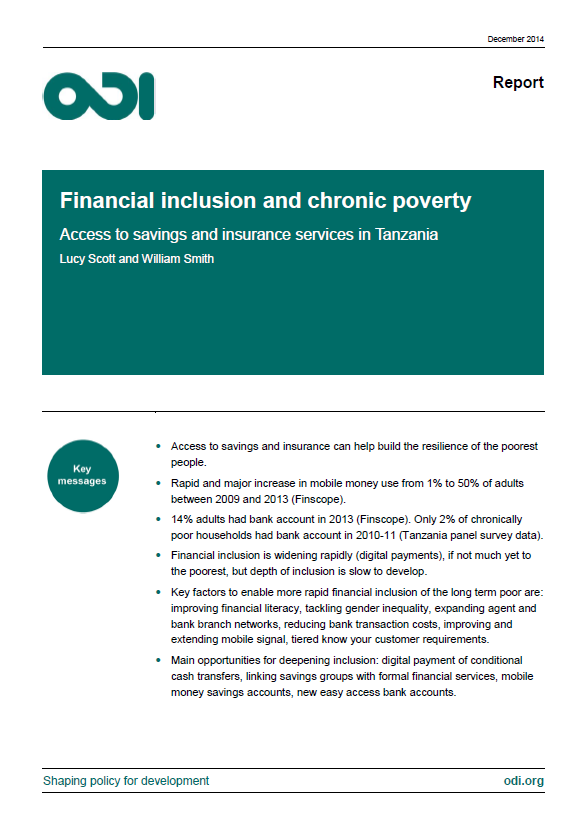
This brief examines the current extent of financial inclusion in Tanzania – focusing particularly on the chronically poor – and also specifically on access to savings and insurance services. This is because of the increasing body of evidence about the role which the two services can play in helping households to escape poverty and, by implication, to manage shocks and build their resilience.
Authors: Lucy Scott and William Smith
Photo Credit: Panos Pictures

Poverty reduction in Tanzania has not occurred at the rate that would be expected, given the recent high levels of economic growth. This National Policy Brief advocates for addressing chronic poverty in the country through rural industrialisation.
Authors: Flora Kessy and Oswald Mashindano
CPAN BLOGS ON TANZANIA
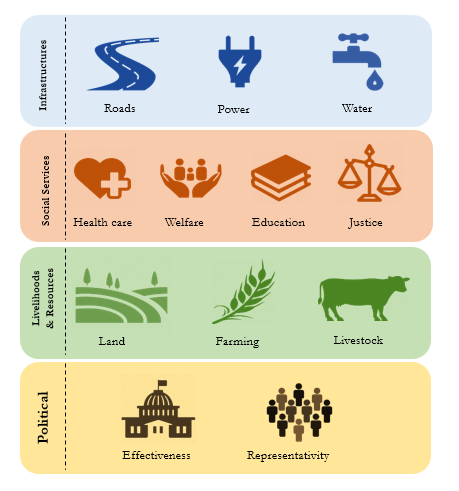
A blog by Duncan Green, strategic adviser for Oxfam GB, on the CPAN Event ‘Shouting at the system won’t make it work!’ and his thoughts on the use of indexes to hold local officials to account.
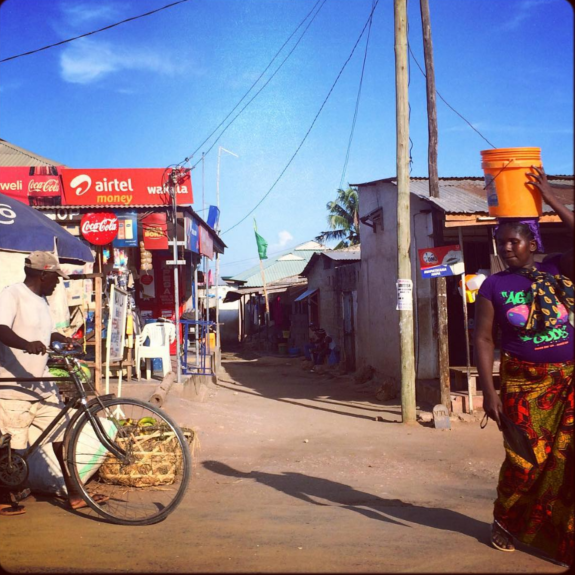
In order to encourage local institutions to prioritize the needs of the poorest, CPAN Research Fellow, Anna Mdee, is in Tanzania to work on the Governance Performance Index Project from the 16th to the 20th of May. During this week ...
Photo credit: CPAN
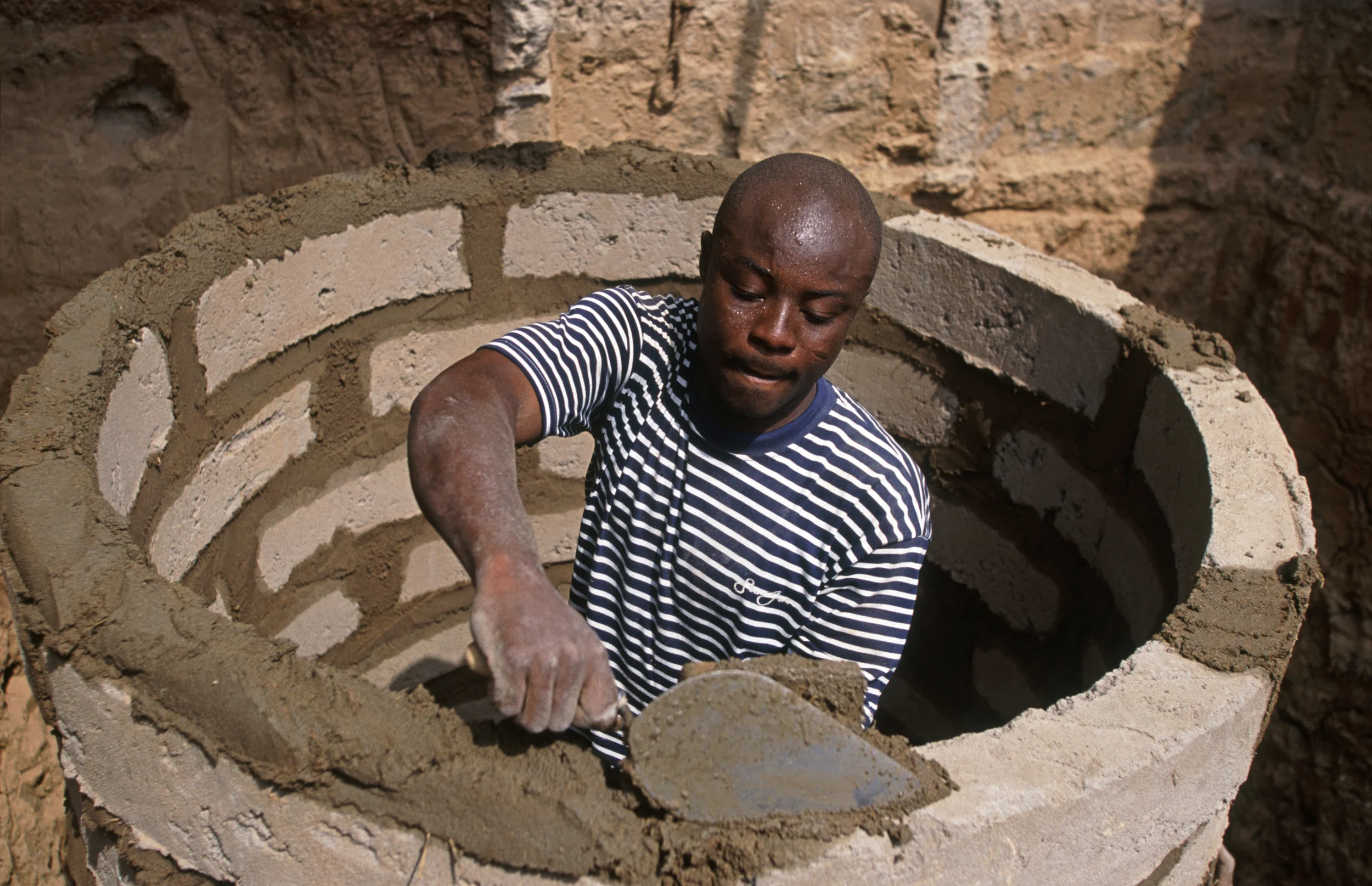
SGDs agenda is ambitious, with the aim of eliminating rather than reducing poverty – the “leave no one behind” notion. Goal 1 target 1.1 aims at reducing extreme poverty to all people everywhere by 2030. Poverty especially in rural Tanzania has been declining at a very low pace from 40.8% in 1991/92 to 33.3% in 2011/12 (7.5 percentage points decrease for 20 years). Inequalities are also huge. Thus, Tanzania has to make sequential prioritization and serious resource mobilization from domestic and international sources for its implementation.
Photo Credit: Panos Picture
World Bank